India’s E20 petrol controversy has taken an interesting turn. Until now, the government’s stance has largely been that E20 does not cause damage to vehicles, with Union Road Transport and Highways Minister Nitin Gadkari repeatedly dismissing concerns surrounding engine damage.
However, in a fresh reply in Rajya Sabha, Gadkari has acknowledged that some older vehicles may require replacement of certain components when using E20 petrol. According to Gadkari, some BS-III vehicles introduced from April 1, 2005 and manufactured before 2016 may require replacement of rubber parts and gaskets. He added that these components can be replaced during routine servicing.
First Acknowledgement Of Impact On Older Vehicles
This is an important development considering the government’s earlier defence of E20. Amid growing criticism on social media, Gadkari had maintained that there was no scientific evidence of widespread vehicle damage caused by E20. Critics were also asked to provide verified examples where E20 itself had caused vehicle damage.
The latest statement does not suggest that E20 causes engine failures or widespread damage. However, acknowledging that certain rubber components and gaskets in older vehicles may need replacement adds an important qualification to the earlier position that E20 does not adversely affect vehicles. Gadkari cited studies conducted by Indian Oil Corporation Limited (IOCL), Indian Institute of Petroleum (IIP), Society of Indian Automobile Manufacturers (SIAM) and Automotive Research Association of India (ARAI).
According to the government, these studies found that cars and two-wheelers do not require engine modifications for using E20. Tests on older vehicles also reportedly found no significant deterioration in performance or abnormal wear and tear. Drivability, startability, metal compatibility and plastic compatibility were among the parameters evaluated.
E20 Controversy Refuses To Die Down
Despite repeated clarifications from the government and automobile industry, vehicle owners continue to raise concerns surrounding E20, particularly regarding mileage and compatibility with older cars and motorcycles. Gadkari himself has faced considerable criticism on social media over the rollout.
The government recently held a press conference with automobile industry and testing experts to address these concerns, maintaining that E20 had undergone extensive testing before its wider rollout. Several individual cases have added fuel to the debate. In another development, a consumer commission ordered replacement of a Maruti Grand Vitara after the vehicle was found to be not E20 compliant.
What About Mileage And Warranty?
Mileage remains another major concern among vehicle owners. Gadkari said automobile manufacturers and testing agencies have stated that fuel economy is influenced by multiple factors and any reduction cannot be attributed solely to E20. The government has also said manufacturers continue to honour applicable warranty claims on vehicles operating with E20 petrol.
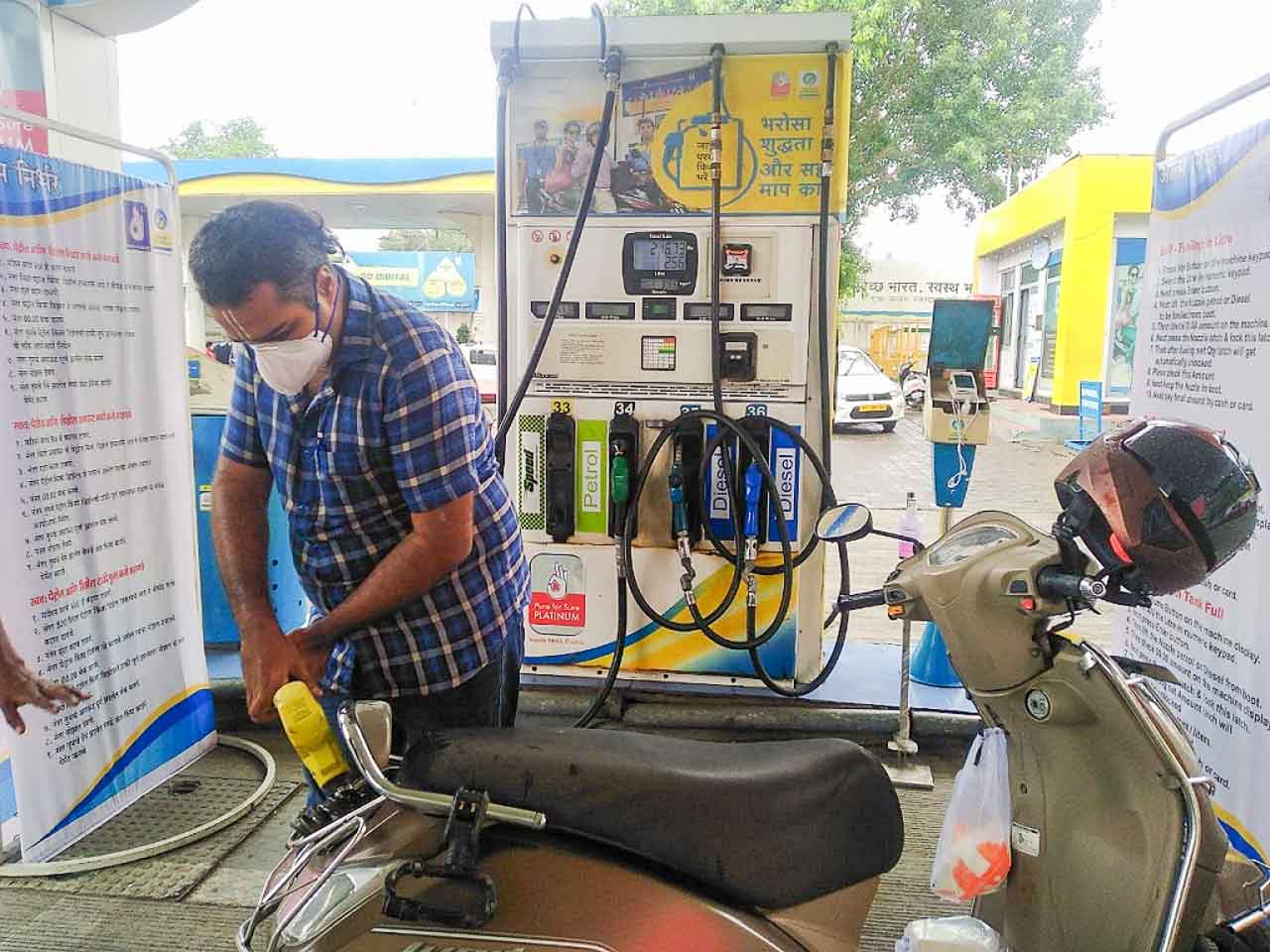
E20 contains 20% ethanol and 80% petrol and is now widely available as part of India’s Ethanol Blended Petrol programme. While the government continues to maintain that E20 does not require engine modifications or cause widespread vehicle damage, Gadkari’s latest acknowledgement regarding rubber parts and gaskets is significant.
For millions of older cars and two-wheelers still running on Indian roads, the debate is therefore no longer limited to whether E20 causes engine damage. There is now an official acknowledgement that, at least in some older vehicles, certain components may require replacement.