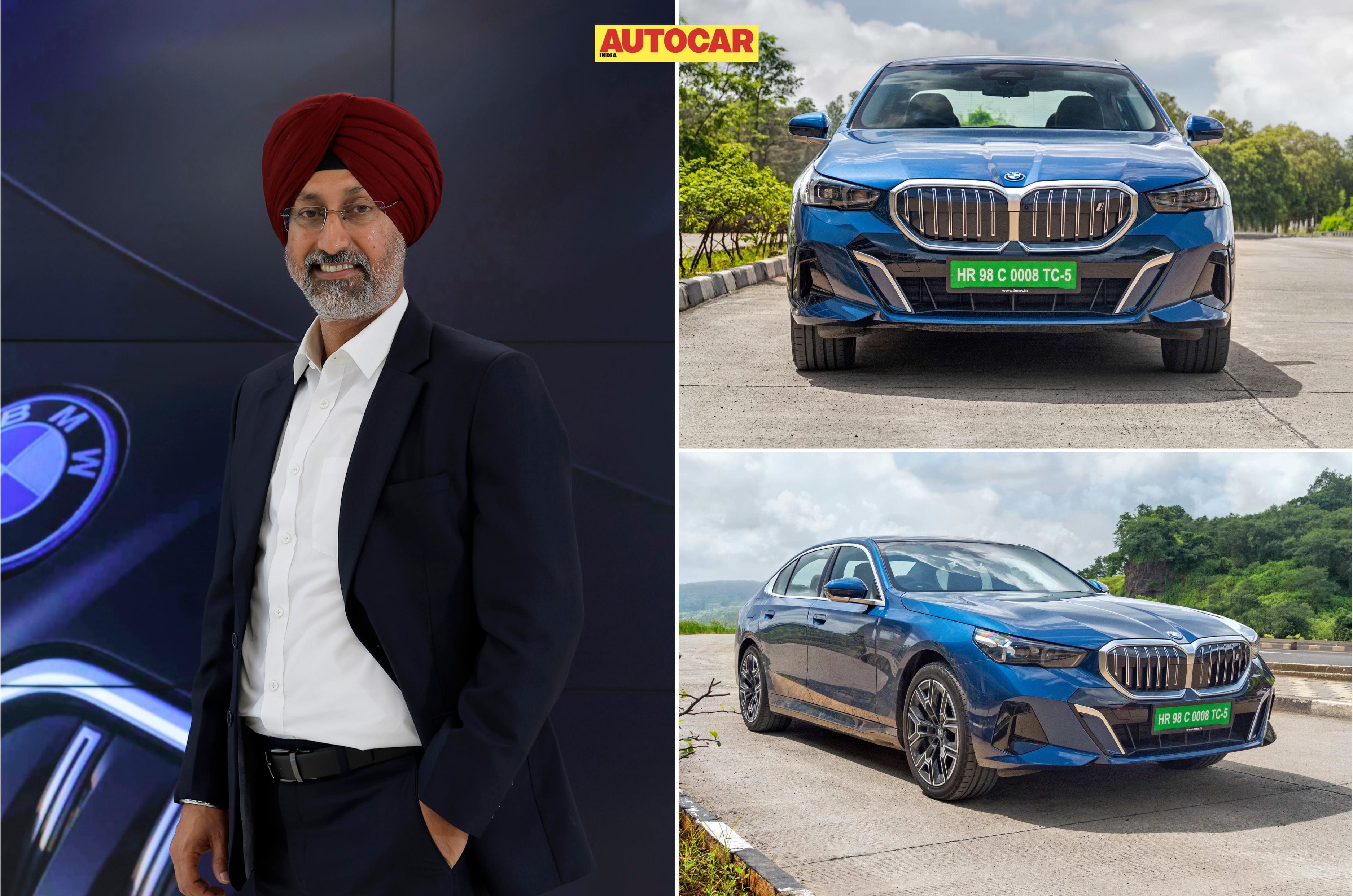
BMW India expects long-wheelbase models to account for around 60 percent of its sales by the end of 2026, up from 52 percent in the first half. BMW’s sales grew 14 percent in 2025, followed by a further 15 percent growth in the first half of 2026 as the wider market remained flat or declined marginally. The carmaker is focusing on long-wheelbase models and electric vehicles as the two key areas of its product strategy in India.
BMW to emphasize on long-wheelbase range
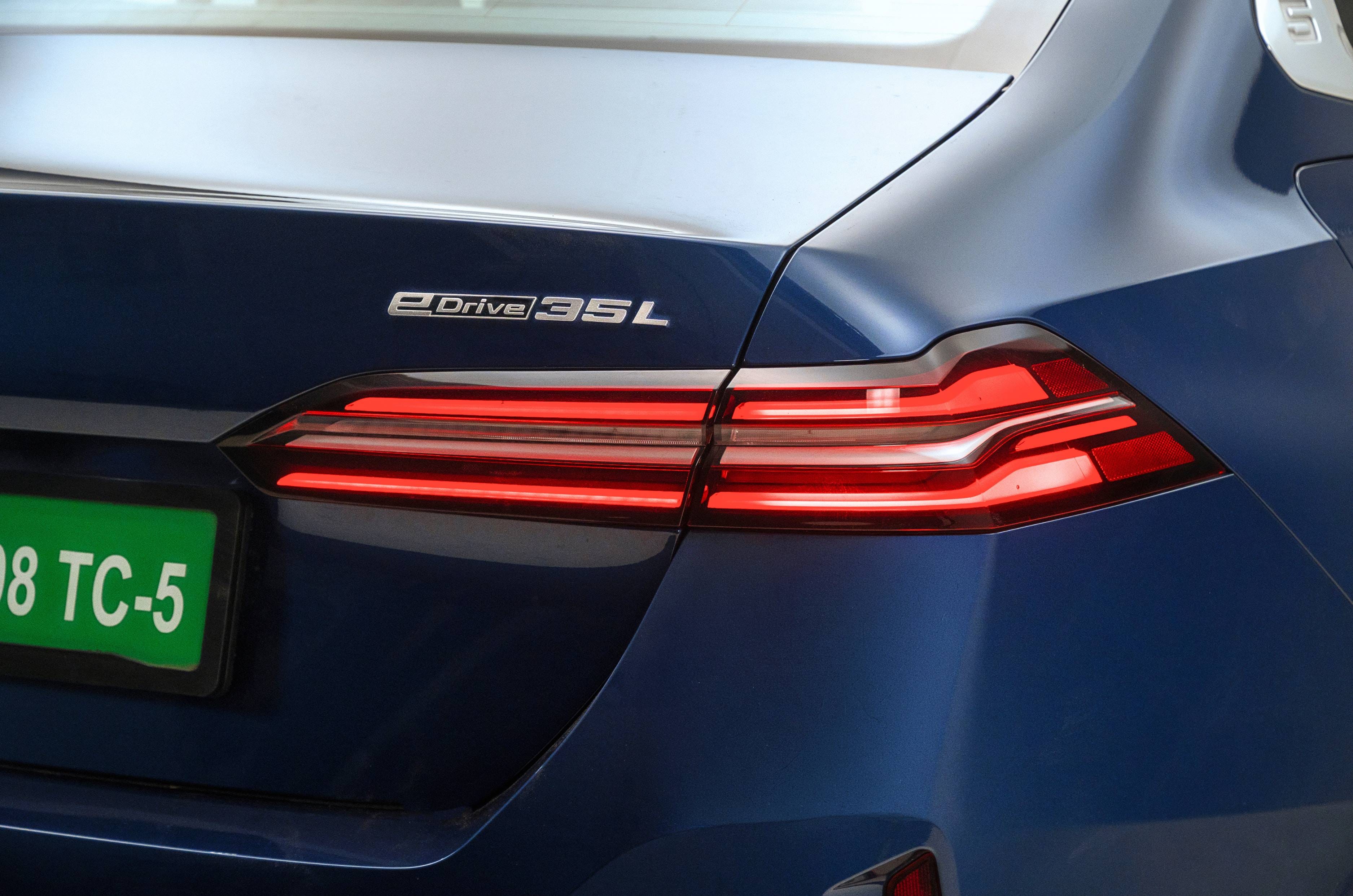
“Long wheelbase and electrification are the two pillars we are working on this year,” Hardeep Singh Brar, president and CEO of BMW Group India, told our sister publication Autocar Professional at the sidelines of the launch of BMW i5 LWB. “In the first half, we were at 52% long wheelbase. With the new launches, I think the long-wheelbase category will grow further,” he added.
BMW’s long-wheelbase portfolio currently includes the 3 Series LWB, 5 Series LWB, X1 LWB, i5 LWB and iX1 LWB. The company has extended the format beyond executive sedans and indicated that it will continue to favour long-wheelbase versions for relevant models introduced in India. The LWB format is aimed at buyers seeking greater rear-seat legroom and comfort, particularly chauffeur-driven customers.
“It is a tried-and-tested formula, so why not go with it?” Brar said. The introduction of long-wheelbase models in the entry-luxury and executive segments has also helped BMW differentiate its products in an increasingly competitive market.
EVs to account for over 30 percent in H2 2026
Electric vehicles accounted for 21 percent of BMW’s India volumes in 2025 and 26 percent in the first half of 2026. Brar expects the share to cross 30 percent in the second half, with one-third also possible. The iX1 accounts for around half of sales in the X1 range, while the i7 contributed about 60 percent of combined 7 Series and i7 volumes during the previous model cycle.
EVs taking up diesel's share in BMW's portfolio
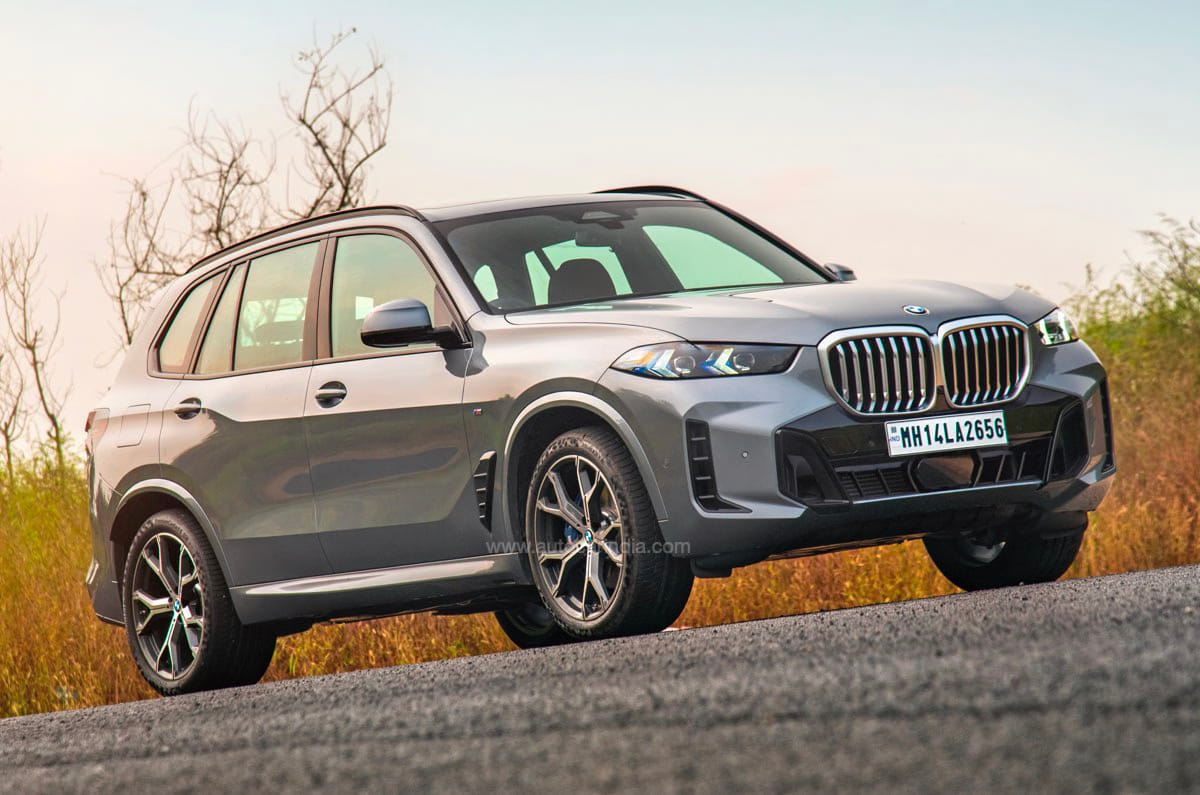
BMW has also seen some customers move from diesel to electric vehicles. Brar attributed part of the decline in diesel demand to concerns over vehicle life and residual values, particularly in markets such as Delhi, where diesel vehicles have a 10-year registration life.
The company does not plan to discontinue diesel and will continue offering the powertrain where demand remains strong. The X5 and X7 continue to see reasonable demand for diesel versions, Brar said.
With inputs from Dhruv Dhaka