Bajaj Auto has delivered on its promise of introducing the next generation of Classic Pulsars, starting with Pulsar 150 and Pulsar 125. Pulsar 180 and Pulsar 220 are still awaiting similarly comprehensive updates.
The new-gen Classic Pulsars had started reaching dealerships even before their official launch, so some buyers may have already seen them in person. We recently rode both Pulsar 150 and Pulsar 125 at Bajaj’s media ride in Pune, and here’s what we think about the biggest overhaul to the Classic Pulsar range in years.
New Gen Classic Pulsar Review
If Pulsar nameplate is like a temple for Bajaj Auto, Pulsar 150 is like the inner sanctum. This is the first major overhaul to Pulsar 150 since the UG4 days and the new gen Classic Pulsars still stick to the overall formula that it always had.
Bajaj has tried their best to not offend anyone (new buyers and existing customers) with this new gen model and I think they have succeeded. Even though it is a revolution, new gen Pulsars look like an evolution, which is a good thing.

Prices start from Rs 92,990 for Pulsar 125 and Rs 1,15,233 for Pulsar 150. Range topping Pulsar 125 costs 1,04,318 and it is Rs 1,23,187 for Pulsar 150 (all prices Ex-sh). At the media ride event in Pune, Bajaj had arranged top-spec Pulsar 150 and base Pulsar 125 so that we can experience varied equipment and features offered across the range. The Pulsar 150 we sampled was Pearl Metallic White and Pulsar 125 was Dark Silver.
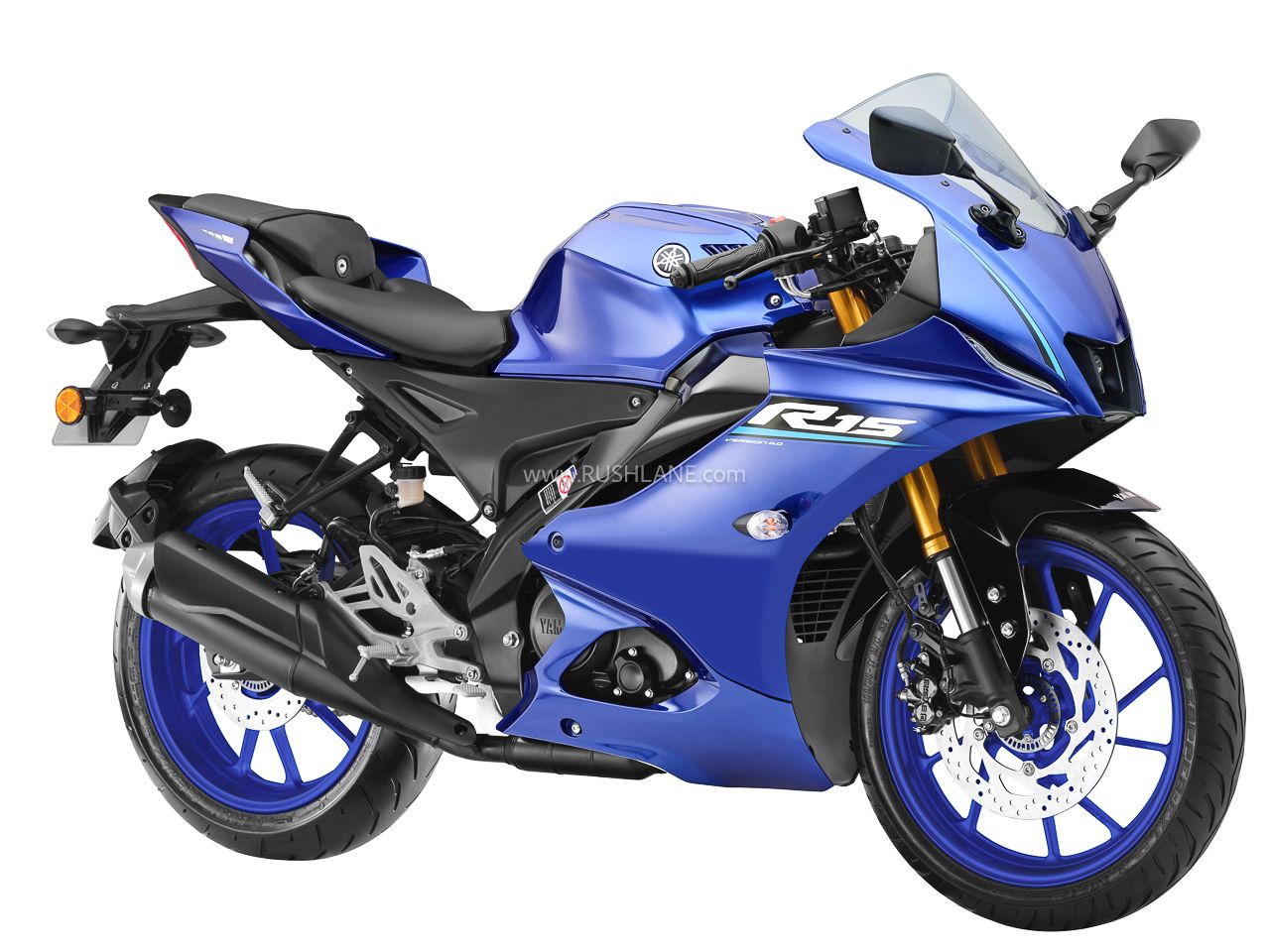
The overall silhouette of Classic Pulsar has been carried over, but altered enough to make meaningful changes and offer a new experience for riders. We can see a new fuel tank which is more muscular and comes with pointier tank shrouds. Overall saddle has been slimmed down with revised seats and then we have new side body panels, new tail section suspended on a new diamond frame and a mono-shock rear suspension.

Attributes like clip-on handlebars, front and rear disc brakes, split seats, split rear grab rails are carried forward. Tail lights have been updated for the first time in almost two decades and turn indicators are LEDs. The wolf-eye LED DRLs are retained, but get new design. Headlights are all new and they’re all-LED. There’s still a kick starter, but gear shifter is not a heel and toe unit. There’s a USB Type-C port as well.
New Pulsar, New Tech
With the new gen Pulsars, Bajaj is giving a new TFT instrument cluster which supports a lot of features like Bluetooth connectivity, music control, third party notifications from apps like WhatsApp and even Google Maps mirroring. Even a few 650cc or even 1000cc bikes miss out on these features and you get them on your favourite Pulsar. Even the Pulsar 125 gets these features, which is just bonkers.

There is Traction Control and then four riding modes now – Sport, Road, Rain and Tour. This screen has auto brightness and day / night functions as well, making it convenient. Legibility under direct sunlight is decent and we did not face any issues with it. We didn’t test out the Google Maps because the app is not rolled out in Play Store or App Store. This cluster also supports document storage allowing you to store DL, Insurance and RC.
We now get new switchgear to control this cluster and they work quite well. For the first time, Classic Pulsars get ISG (Integrated Starter Generator) which enables silent start and auto engine start / stop features. Wheel design is new with Classic Pulsars and they continue to be 17-inchers in size and shod with tubeless tyres. The only complaint here is that the tyres look skinny as previous gen Pulsar 150 got 90-section front and 120-section rear tyre, which are now 80-section and 100-section, respectively.

New Platform, New Powertrain
Diamond-type frame houses the new and updated engine, which is also the stressed member of this chassis. This new engine is paired to a new and revised exhaust end can which sound slightly differently.
For the first time in Classic Pulsar history, Bajaj has moved away from the double cradle frame and we welcome this move with open arms. The new Diamond-type frame has allowed Pulsar 150 to get rear mono-shock suspension as well. Front suspension continues to be RSU telescopic units like before.

Even though the platform is new, new gen Bajaj Classic Pulsars get similar ergonomics as before. Rider still sits upright and there is a slight lean on to the clip-on handlebars, just like it was back then. Saddle has gotten narrower and fuel tank has gotten wider.
You can feel these changes between your legs. I am 6 feet tall and I did not feel any discomfort on the motorcycle and even footpegs positioning felt just right.

The new 149.5cc single-cylinder engine is completely new for this generation of Classic Pulsar 150 and same is the case with the new 124.58cc engine for Classic Pulsar 125. Only the Pulsar 150 is oil-cooled and gets a radiator, while Pulsar 125’s new engine continues to be air-cooled. New Pulsar 150 makes 14 PS and 14.1 Nm, while it is 12.1 PS and 11.4 Nm with Pulsar 125. Both bikes only get a 5-speed gearbox, making Suzuki GS150R last commuter with 6 gears.
Ride & Dynamics
I spent more time with the Pulsar 150 and the new engine on this bike is really commendable. It has almost no vibrations even in higher revs. This engine does not feel gruff and it has decent tractability even in low speeds on higher gears. Outright acceleration is not that great, but that is perfectly alright and suits overall character of this bike. Clutch action is lighter due to revised internals, despite not having slip and assist clutch.

Even Pulsar 125 has decent tractability and it has a 99 km/h top speed. It also gets ISG with silent start. Ridability on both these bikes feel similar and comparable as cycle parts are mostly the same. New Classic Pulsars are eager to dive into a corner and are very playful. There is a sporty flavour in these bikes that we’re witnessing for the first time. This newfound agility will put a smile on rider’s face for sure. Wider tyres and stronger braking would have been nicer.
Should You Buy One?
New-gen Classic Pulsar 150 and Pulsar 125 bring major and much-needed upgrades. I liked the design, features, technology, new engine, agility offered by the diamond-frame chassis and the overall package. However, there are still a few areas where Bajaj could have done better. My 16-year-old Pulsar 150, for instance, has self-cancelling turn indicators, something the new-gen Pulsar 150 misses out on. I also feel the graphics are a bit overdone and would have preferred cleaner, solid colour options.

The rear tyre also looks disproportionately skinny for a motorcycle with Pulsar 150’s stance. Bajaj claims fuel efficiency figures of 55 km/l for Pulsar 125 and 50 km/l for Pulsar 150. These are decent numbers, although I expected slightly better considering the new-generation engines. Dual-channel ABS would have further strengthened the safety package, especially on Pulsar 150.
It was around 2010 or 2011 when I bought my Pulsar 150. Around 15-16 years later, if I were looking to buy a 150cc motorcycle again, new Pulsar 150 offers significantly more in almost every area while retaining the familiar Pulsar character. Despite a few shortcomings, I’d happily choose Pulsar 150 again.